San Francisco to Monterey: Three Good Stops on the Classic Coast Drive
Leaving from somewhere else? Change the start and see your stops right now — your first trip is free, no signup.
About 120 miles from downtown San Francisco to Monterey — that’s roughly 2 hr 45 min of driving without stops if the coastal Highway 1 is clear. Here is where we get out: a working harbor and tidepools on the Peninsula, a world-famous elephant-seal rookery at Año Nuevo, and the Elkhorn Slough estuary and Moss Landing harbor before you reach Monterey Bay.
- 120 miles · coastal and inland options
- 2 hr 45 min driving without stops (CA-1 scenic route)
- CA-1 along the coast or US-101 / CA-156 inland
- Ocean cliffs, sandy beaches, estuary marsh, and working harbors
There are two very different ways to go from San Francisco to Monterey and both are good for different moods. The coastal CA-1 route is the reason people say "Pacific Coast Highway" — it threads headlands, bluff-top pullouts and small towns where the sea is the point of view. The inland run on US-101, CA-156 and CA-68 is faster and steadier, useful if you have a tight schedule or are heading on to Big Sur later. We prefer the coast when the day is fine: it adds time, but the stops are the reason you took the trip.
Traffic matters. Leave the city before morning commute or after it; weekend afternoons on CA-1 can be slow near the towns. If you're in an EV, plan charging in Half Moon Bay or Santa Cruz; Monterey has public chargers but they fill fast in summer.
Stop 1 — Pillar Point Harbor and Half Moon Bay beaches
Mile 27 · about 10 minutes off the main route · 45 minutes to 1 hour
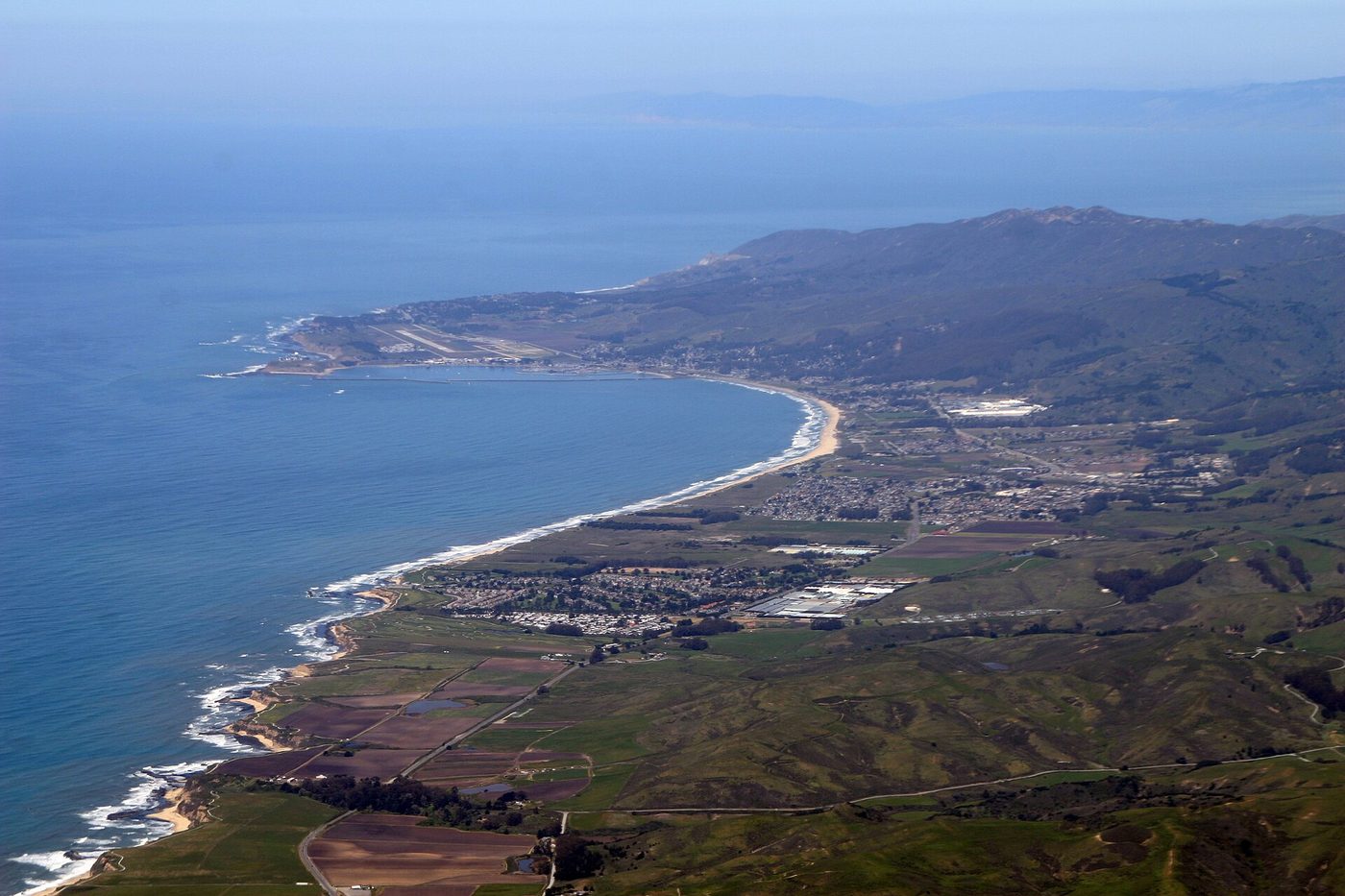
Here is where we get out for the smell of the ocean and a walk among boats. Pillar Point Harbor (Princeton-by-the-Sea, just north of Half Moon Bay) sits behind a pair of breakwaters with a working marina, seafood stands and a low tidal bench of rocky shore that’s ideal at low tide. The harbor is a good quick stop for coffee, a fresh crab or a walk along the west jetty to look for harbor seals and shorebirds.
If the tide is low, take the short scramble to the nearby tidepools and pebbly beaches — there are intertidal creatures in the pools and always something interesting washed up. For surfers, Pillar Point and the nearby breaks are famous; from late fall into winter, the big-wave spot at nearby Mavericks gets attention, though it’s not a place for casual swimming.
If you have an extra 2 hours: head south along the coast a few minutes to Half Moon Bay State Beach for a longer beach walk, or turn inland to visit a small local nursery or farmstand and buy flowers, seasonal squash or local greens. We also like breakfast in Half Moon Bay — small-town cafes here do an honest job.
Stop 2 — Año Nuevo State Park (elephant seals)
Mile 50 · pullout right off CA-1 · 45 minutes to 2 hours
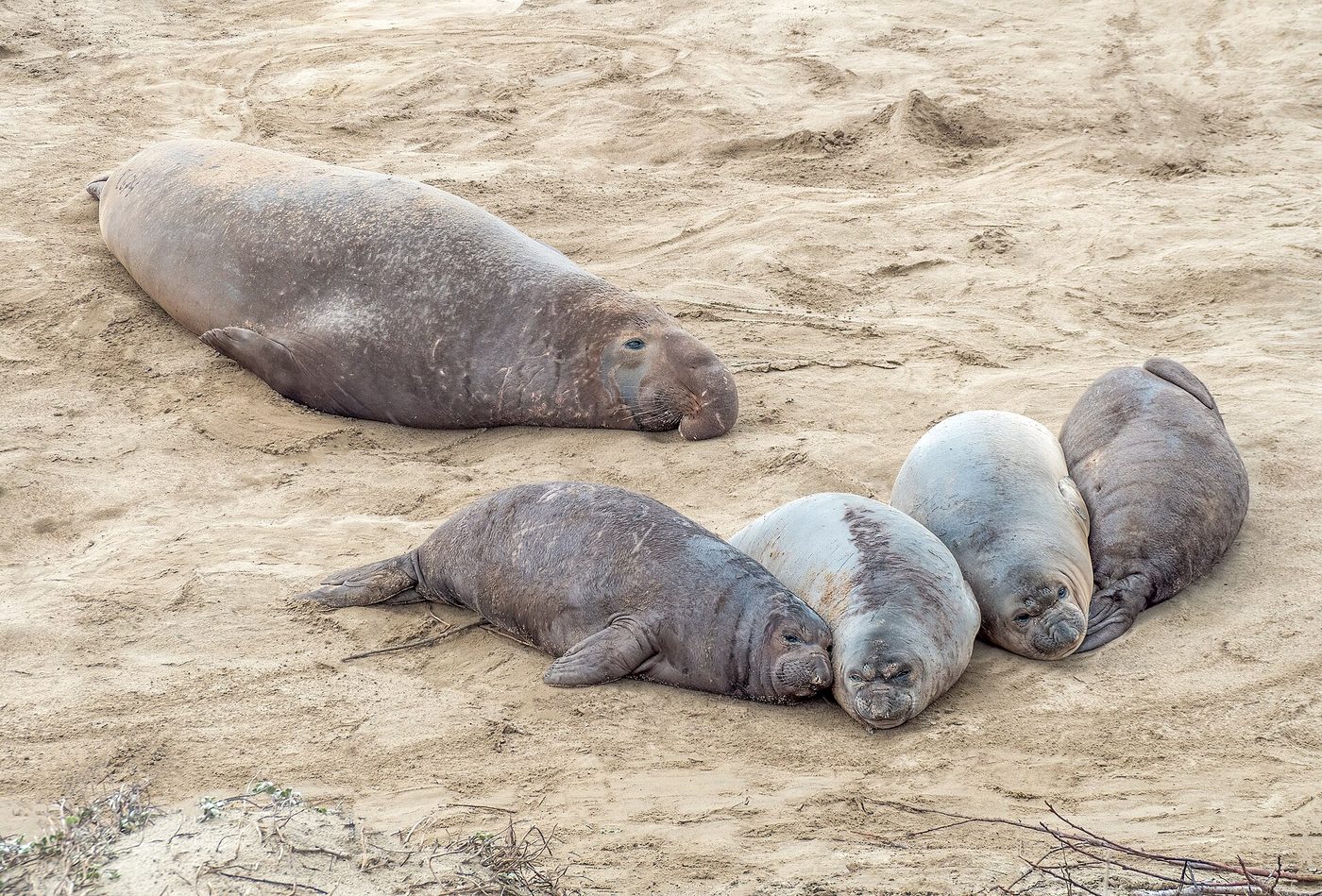
About an hour south of San Francisco you reach one of the coast's most memorable natural shows: the elephant-seal colony at Año Nuevo. From roughly late winter through spring the colony swells for breeding, and in summer large numbers haul out to molt; year-round there are significant numbers on the beaches. Viewing is managed: there are boardwalk vantage points and, in the busy seasons, guided walks that take you onto the dunes for close but respectful views.
The sound of bulls and the sight of massive, blubbery bodies hauled onshore is surprisingly theatrical. There are short interpretive signs at the parking area and rangers or docents on weekends in season. Note that the best way to see the seals during the breeding season is by a docent-led walk — it’s cooler, calmer and safer for the animals and the people.
If you have an extra 1–3 hours: sign up for a guided seal walk (reservations often required in high season) or continue a few miles down to Pescadero for sandwiches and a local bakery pastry — the tiny town does an excellent artichoke and crab sandwich.
Tell us where you are leaving from, when, and who is in the car — dog, toddler, EV, six-hour limit — and we will name the stops that actually fit. Your first trip is free, no card.
Stop 3 — Elkhorn Slough and Moss Landing
Mile 105 · right on CA-1 at the head of Monterey Bay · 30 minutes to 1 hour
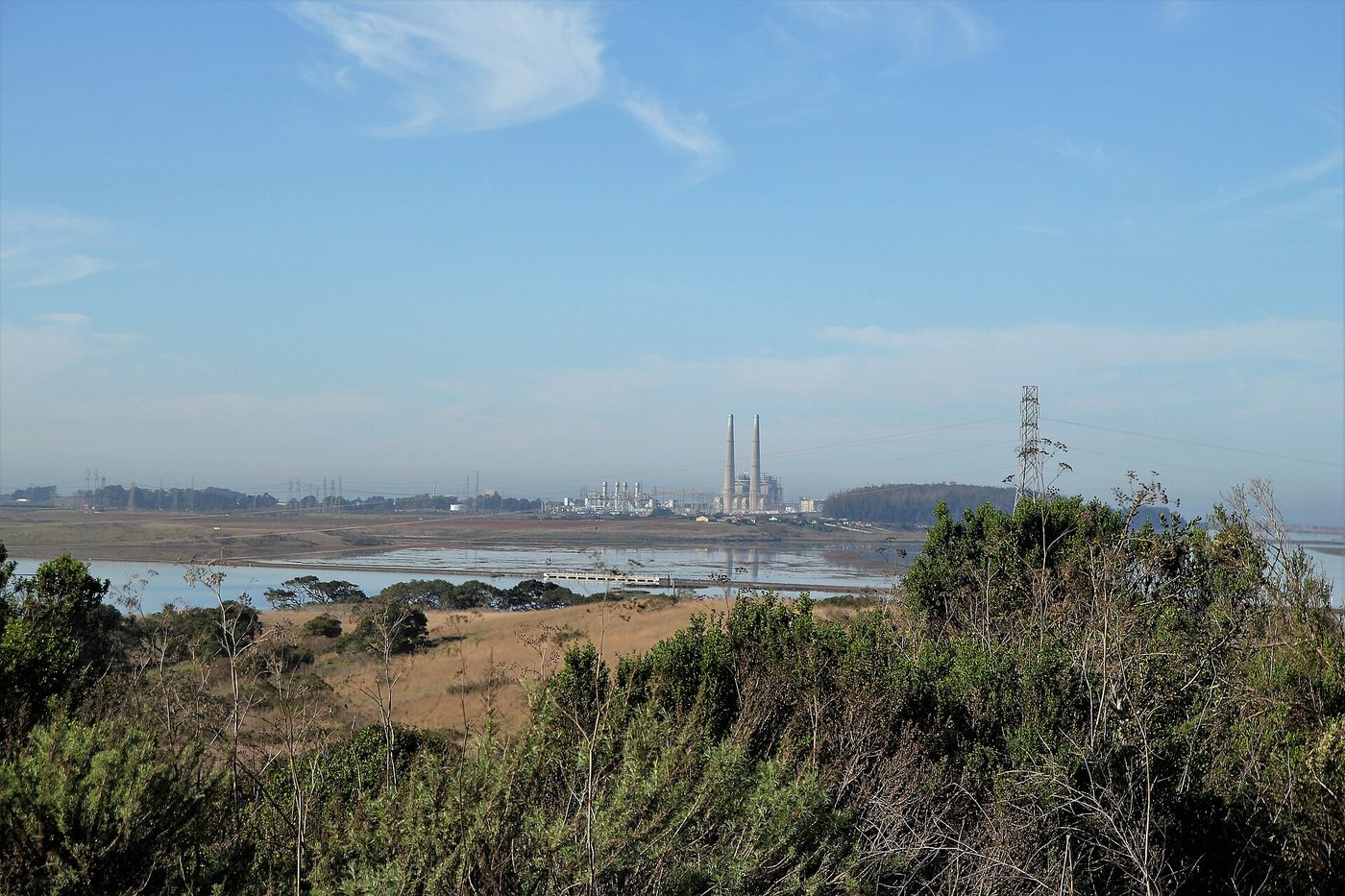
Moss Landing and Elkhorn Slough are what we save for last before Monterey. The slough is a tidal estuary — a maze of channels, mudflats and salt marsh — and where freshwater from the Salinas River mixes with the ocean. From the visitor center and a handful of boardwalks you can watch birds, seals and (in the channels) sea otters doing what they do best. Kayak tours launch from Moss Landing and drift quietly through tidal channels; on a calm day you can see harbor seals hauled out and dozens of shorebirds.
Moss Landing itself is a working harbor with seafood stands, a compact row of restaurants, and a view across the channel to the slough and the old power plant stacks. It’s the last practical stop for seafood, boat tours, and pick-me-up espresso before you reach Monterey and the Peninsula towns to the south.
If you have an extra 2 hours: book a short Elkhorn Slough guided kayak or boat tour — they run most of the year and are excellent for wildlife photographers and families. If tide and weather are right, a motor launch gives different angles on the marsh; on calm mornings the slough feels like a quiet inland sea.
Why we put it last: it’s immediately before Monterey, so it works as the last big leg-stretch, and it showcases a very different marine environment from the headlands you passed earlier. If you’re timing for the Monterey Bay Aquarium or a dinner in Cannery Row, stop here first and arrive with the right energy for the afternoon or evening.
Arriving at Monterey
Monterey and the Monterey Peninsula are compact but have a lot to do. Cannery Row and Old Fisherman’s Wharf are immediate draws, Point Lobos is a short drive further south and among the loveliest coastal preserves in California, and the 17-Mile Drive through Pebble Beach is the classic watchlist of cypress and ocean viewpoints. If the aquarium is on your list, book ahead — it sells timed tickets and fills on summer weekends; book Monterey Bay Aquarium tickets ahead.
Parking in Monterey can be tight: expect small lots and metered street parking near the waterfront. If you prefer an easy evening, book dinner at one of the restaurants on Cannery Row and watch the light fall across the bay. If you plan to continue south into Big Sur, allow an extra hour for the slow, curving road beyond Carmel; it’s beautiful but narrow.
How we would time it
Leave San Francisco by 8:00 am for a relaxed day. Arrive at Pillar Point around 8:40 for coffee and a walk (45–60 minutes). Back on the road and at Año Nuevo by about 10:15 — plan for a guided walk or the boardwalk viewpoints, 45–90 minutes depending on whether you booked the docent walk. Continue down the coast through Santa Cruz (lunch stop option) and reach Moss Landing in the mid-afternoon for a slough walk or short boat trip, then on into Monterey by late afternoon for museum time, a tide-pool stroll or an early dinner.
Booking the rest of it
Monterey has a regional airport (MRY) and SFO and SJC are the nearest large airports. One-way rentals into Monterey sometimes carry a surcharge; compare EconomyBookings and GetRentacar for pricing and pick-up options. If you want to kayak Elkhorn Slough or take a docent walk at Año Nuevo, book those activities in advance — both sell out on weekends and during seal seasons.
The three stops on a map
Stops in driving order. Map data © OpenStreetMap contributors.
How far and how long is the drive from San Francisco to Monterey?
Roughly 120 miles; expect about 2 hr 45 min of driving without stops on the scenic Highway 1. The inland US-101/CA-156/CA-68 route is typically faster by 20–40 minutes depending on traffic.
Can you see elephant seals at Año Nuevo year-round?
Año Nuevo has elephant seals year-round, but numbers and behaviors change with the season. The breeding season (winter) and the molting season (summer) draw the biggest crowds; guided walks in season are recommended and sometimes require reservations.
Is the coastal CA-1 route safe for large vehicles or RVs?
CA-1 has narrow, winding sections and limited pullouts. Large RVs and long trailers should check route advisories and consider the US-101 inland option for a steadier drive.
Where is the best place to stop for lunch on the drive?
Half Moon Bay and Santa Cruz have the most restaurant options; Moss Landing has seafood stands and a few good waterfront restaurants if you want fresh local fare before Monterey.
Do I need to book Monterey Bay Aquarium tickets in advance?
Yes — the aquarium uses timed tickets and weekends/summer afternoons can sell out. Book ahead for the date and time you plan to visit.
Now let us do this for your drive
Every stop above is one we would take ourselves — but it is our day, not yours. Change the departure time, the driving limit, the dog in the back seat, the EV that needs a charger every 200 miles, and the right stops change with it. That is the whole thing we built: you tell us the trip, we name the three good stops, with the drive math already done.
Leaving from somewhere else? Change the start and see your stops right now — your first trip is free, no signup.
Seeing your stops is free. The full plan — clock times, weather, what is open when you arrive — is free for your first trip, then 99¢ for three trips or $2.99 a month. If you just want to browse, we have stop-by-stop pages for thousands of routes.
More road trip guides
- San Francisco to Lake Tahoe
- San Francisco to Yosemite
- San Francisco to Los Angeles on Highway 1
- San Diego to Los Angeles
- Portland to Bend
- Phoenix to Grand Canyon
- All road trip guides
We write one new drive a week — three real towns, the drive math, what we would skip. Leave an email and we will send them as they go up. No more than one a week, unsubscribe in a click.
Updated 2026-11-18. Some links on this page are affiliate links. If you book through one, we may earn a small commission at no extra cost to you. It never changes which stops we pick — no business on this page paid to be here.